
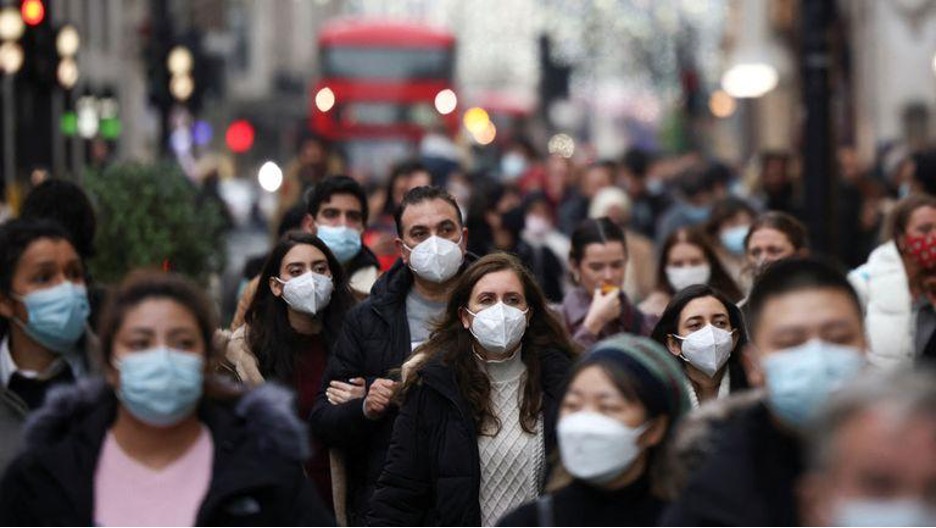
One of the more overlooked and lasting consequences of the COVID-19 pandemic is decreased walking rates in urban areas. The pandemic caused many people to walk less, with the largest impact on low-income groups. While general walking rates are bouncing back in some places, certain regions and populations are experiencing sustained changes in walking behavior.
In a 2021 study published in Nature Communications, researchers found that COVID-19 lockdowns caused a decrease in utilitarian walking. This type of walking includes walking for shopping, transportation, or other daily routine purposes. Even after COVID-19 restrictions were eased in May 2020, the distance Americans walked for utilitarian reasons was 39.2% less than before the pandemic. In comparison, leisure walking quickly recovered, even eclipsing pre-pandemic levels.
Walking patterns throughout the pandemic did not affect all cities and demographic groups in the same way. For example, before the pandemic, higher-income areas had lower walking rates than low-income areas. After COVID-19 restrictions were introduced, this pattern flipped. The researchers suggest this may be because high-income groups had more opportunities for outdoor recreation and leisure walking compared to low-income groups, which did not experience the same surge in leisure walking. Overall, the walking rates of socially disadvantaged groups were more affected by COVID-19 restrictions.
The COVID-19 pandemic caused seismic shifts in how American cities operated over the last few years. Even a couple of years after the pandemic began, overall walking rates were still lower than pre-pandemic rates. According to a report from StreetLight Data, between 2019 and 2022, daily walking rates decreased by 36% at the national level.Interestingly, walking rates in warmer-climate cities saw slight increases from year to year in that period. The StreetLight Data report authors say this could be because walking is shifting to more of a recreational activity, echoing the early pandemic findings on walking rates. Work-from-home schemes, online shopping, and perceived walking safety all impact the trend of lowered utilitarian walking.
While more recreational walking is good for health, it’s important to note that in general, disadvantaged groups have less opportunity to participate. Lowered utilitarian walking is also a strain on the environment, with car trips making up the difference. Work-from-home employees are also more sedentary in general, raising concerns about cardiovascular disease and early mortality with work-from-home models persisting long after the pandemic.
Another point of concern is increased traffic deaths. 2022 saw the most pedestrians killed by cars since 1981, even though walking rates and car trips were both lower compared to recent years. Emptier streets and larger car models likely contributed to this concerning trend.
Lessons from the COVID-19 pandemic offer ample opportunity and reason for cities to introduce more pedestrian safety features and walking opportunities into their urban design. Improved public health, reduced pedestrian traffic deaths, and environmental benefits all result from small changes that make urban areas more walkable for residents.